Why you won’t find floral foam in our studio
The green brick that’s hiding in most arrangements, and what we use instead.
If you’ve ever bought a flower arrangement, there’s a good chance it was sitting in floral foam. It’s the bright green block that florists soak in water and push stems into. It’s cheap, quick and holds flowers exactly where you put them, which is why it’s been the industry standard for decades.
The trouble is what it’s made of. Floral foam is a plastic. It doesn’t biodegrade, and as it’s handled, cut and thrown away it breaks down into tiny particles that end up washed down sinks and drains and into our waterways. After a single use, most of it goes straight to landfill.
When I started Patora, I decided I wouldn’t use it at all. Not in our installations, not in our wedding work, not in the everyday pieces.
So what do we use instead?
It turns out the old ways work beautifully:
- Chicken wire, scrunched into vases and urns, gives stems something to grip and can be reused again and again.
- Pin frogs (kenzans), the heavy spiked discs that sit in the bottom of a bowl, are perfect for low, airy designs.
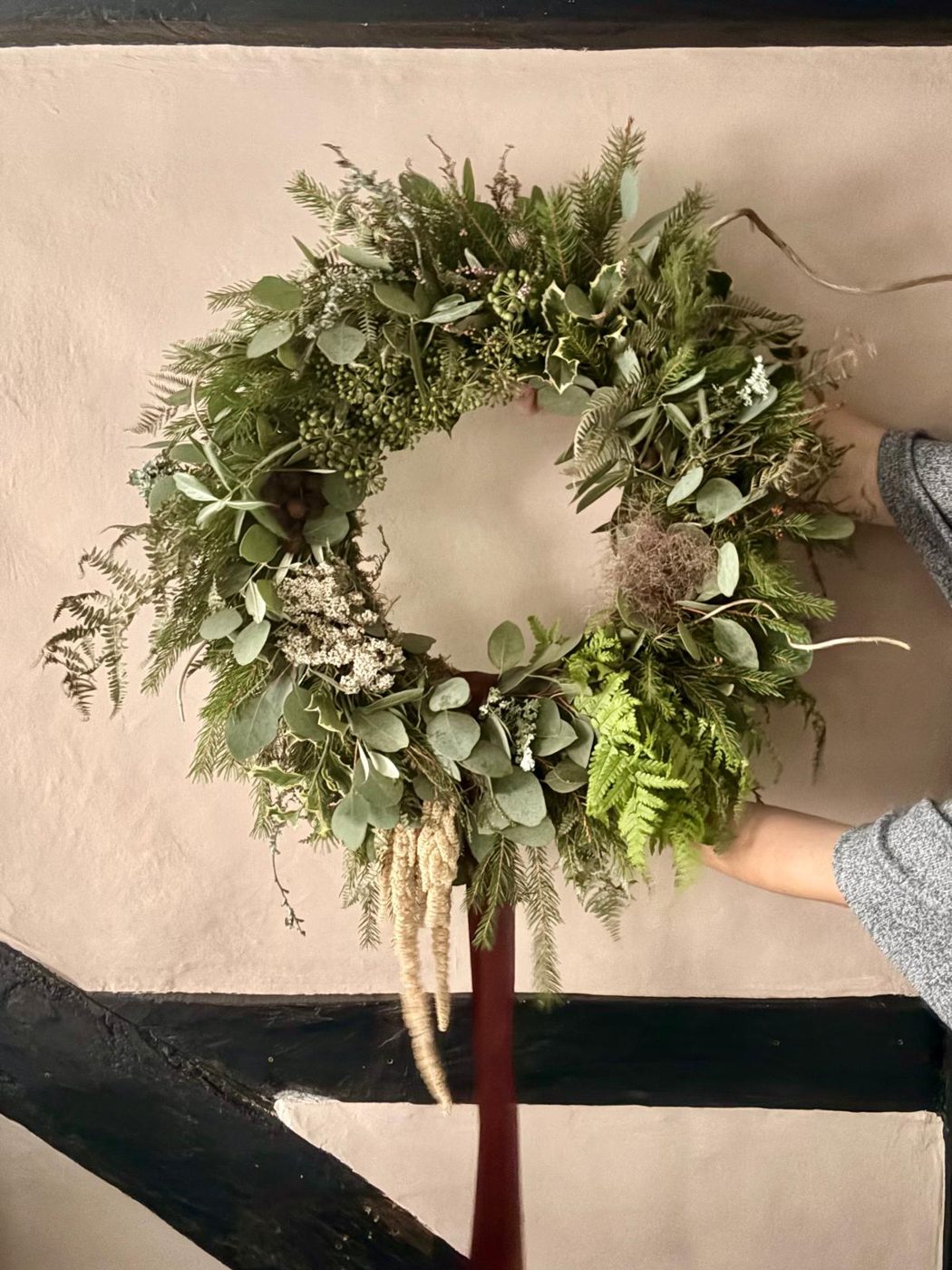
- Moss and natural twigs form the base of our wreaths and hanging pieces.
- Clever vessel choices, such as narrow-necked vases and bud vases, often need no mechanics at all.
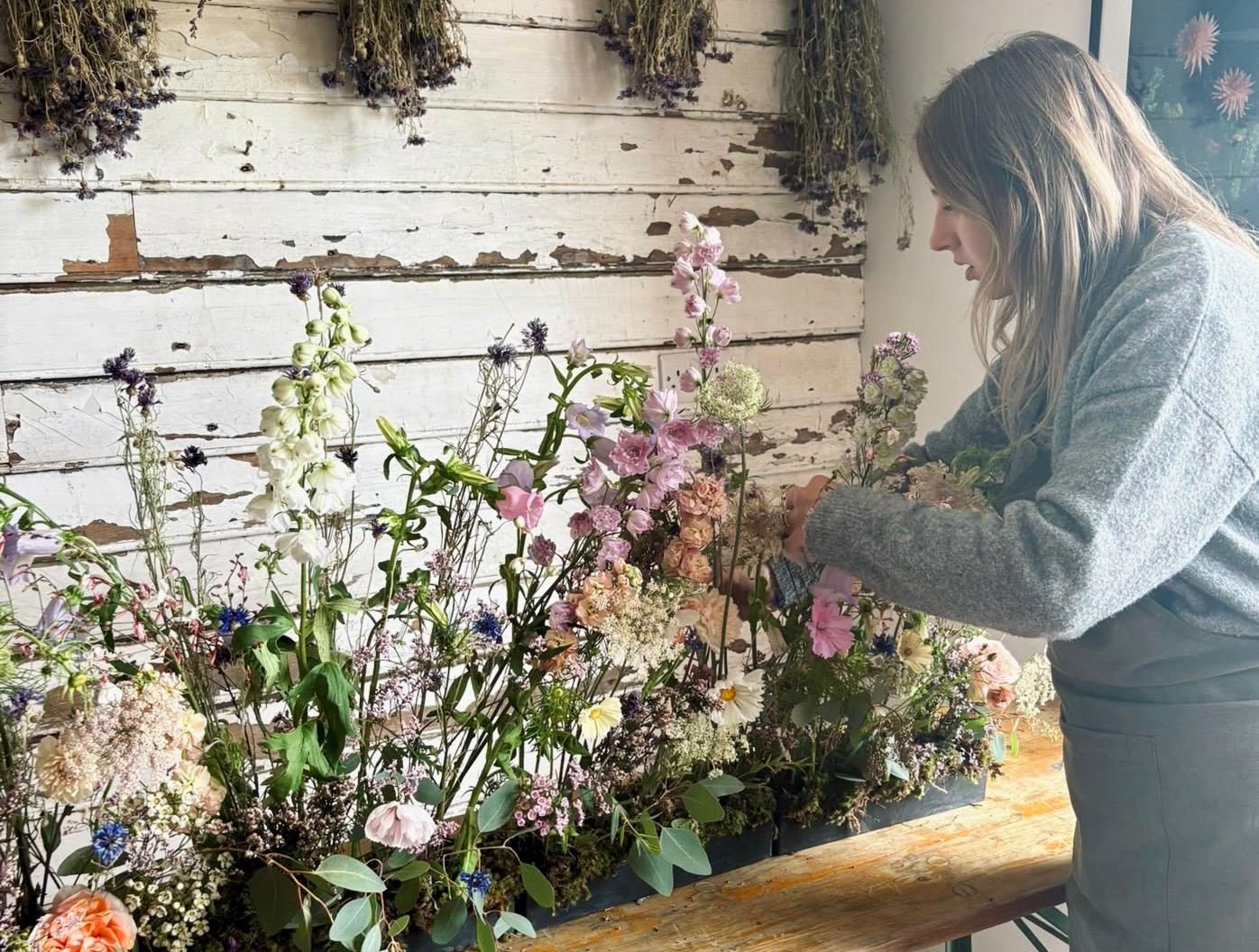
Working without foam changes how arrangements look, too. Flowers sit more naturally, stems have room to move, and designs feel less rigid. It’s a small change in the studio that I think makes a big difference, both to the planet and to the flowers themselves.